




A research team from the High Magnetic Field Laboratory of the Hefei Institutes of Physical Science of the Chinese Academy of Sciences, in collaboration with the Hong Kong University of Science and Technology, has identified a hidden Zeeman field (HZF) in the band structures of odd-parity magnets (OPMs). The finding reveals a previously overlooked feature of these magnetic systems and points to a route toward robust topological superconductivity without external magnetic fields.

A research team led by Prof. DU Haifeng from the High Magnetic Field Laboratory of the Hefei Institutes of Physical Science, Chinese Academy of Sciences, and their collaborators have discovered face-centered cubic γ-Fe in lunar soil returned by the Chang' e-6 mission. This is the first time that this iron phase has been identified in natural lunar samples.

A research team led by WANG Zhenyang from the Hefei Institutes of Physical Science of the Chinese Academy of Sciences has developed a thick cathode that helps zinc-ion hybrid capacitors maintain high capacity and fast charging performance.

A research team led by Prof. WANG Hui from Hefei Institutes of Physical Science, Chinese Academy of Sciences, in collaboration with Prof. FAN Kelong' s team from the Institute of Biophysics, Chinese Academy of Sciences, has developed an iron dual-atom nanozyme with highly efficient catalase-like activity, showing promise for treating rheumatoid arthritis.
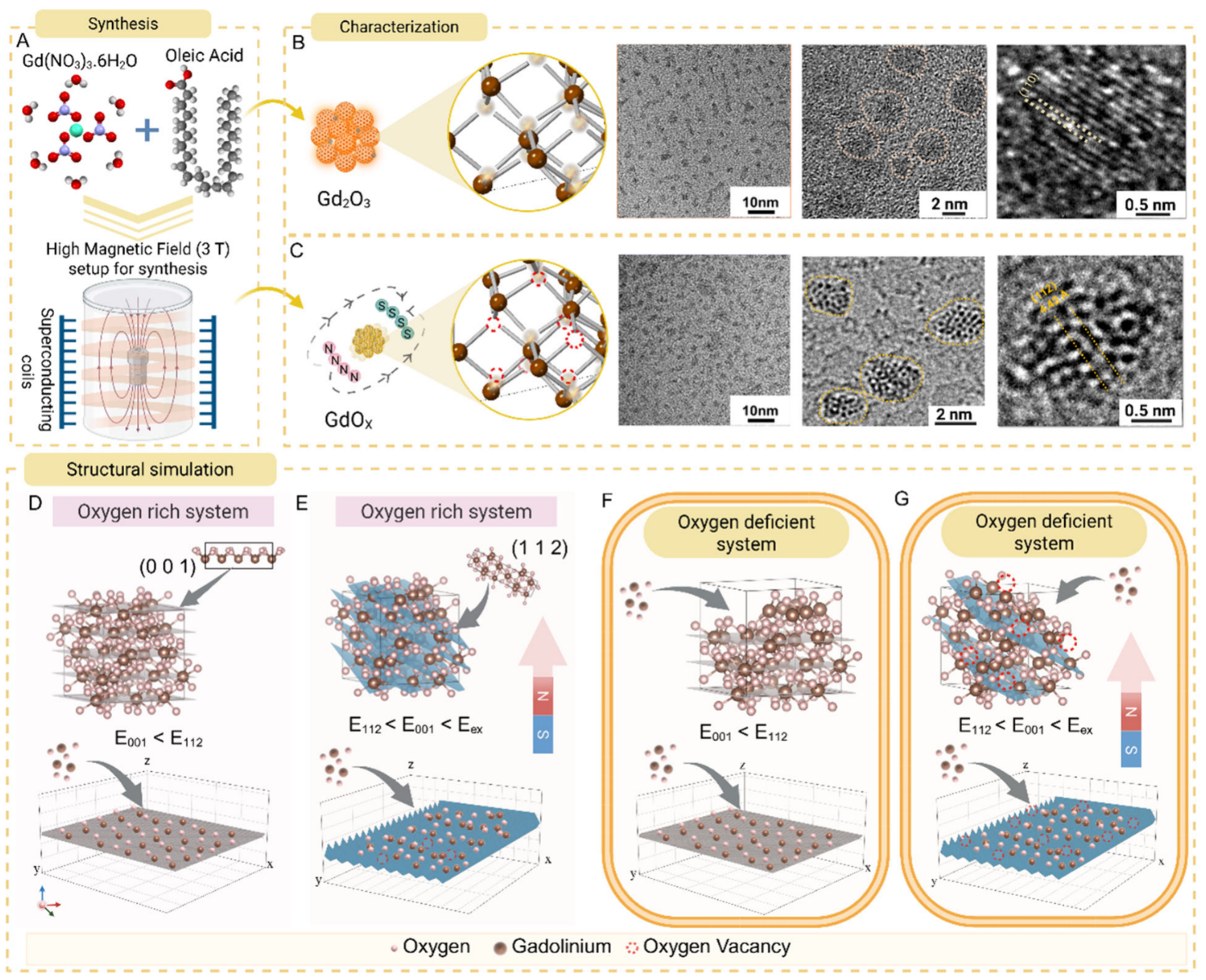
A research team led by Associate Prof. MA Kun at the Hefei Institutes of Physical Science, Chinese Academy of Sciences, has developed a magnetic-field-assisted method to produce ultrasmall gadolinium oxide (GdOx) nanoparticles with abundant oxygen vacancies, enhancing their performance as T1-weighted magnetic resonance imaging (MRI) contrast agents.