




A research team led by Prof. DU Haifeng from the High Magnetic Field Laboratory of the Hefei Institutes of Physical Science, Chinese Academy of Sciences, and their collaborators have discovered face-centered cubic γ-Fe in lunar soil returned by the Chang' e-6 mission. This is the first time that this iron phase has been identified in natural lunar samples.

A research team led by WANG Zhenyang from the Hefei Institutes of Physical Science of the Chinese Academy of Sciences has developed a thick cathode that helps zinc-ion hybrid capacitors maintain high capacity and fast charging performance.

A research team led by Prof. WANG Hui from Hefei Institutes of Physical Science, Chinese Academy of Sciences, in collaboration with Prof. FAN Kelong' s team from the Institute of Biophysics, Chinese Academy of Sciences, has developed an iron dual-atom nanozyme with highly efficient catalase-like activity, showing promise for treating rheumatoid arthritis.
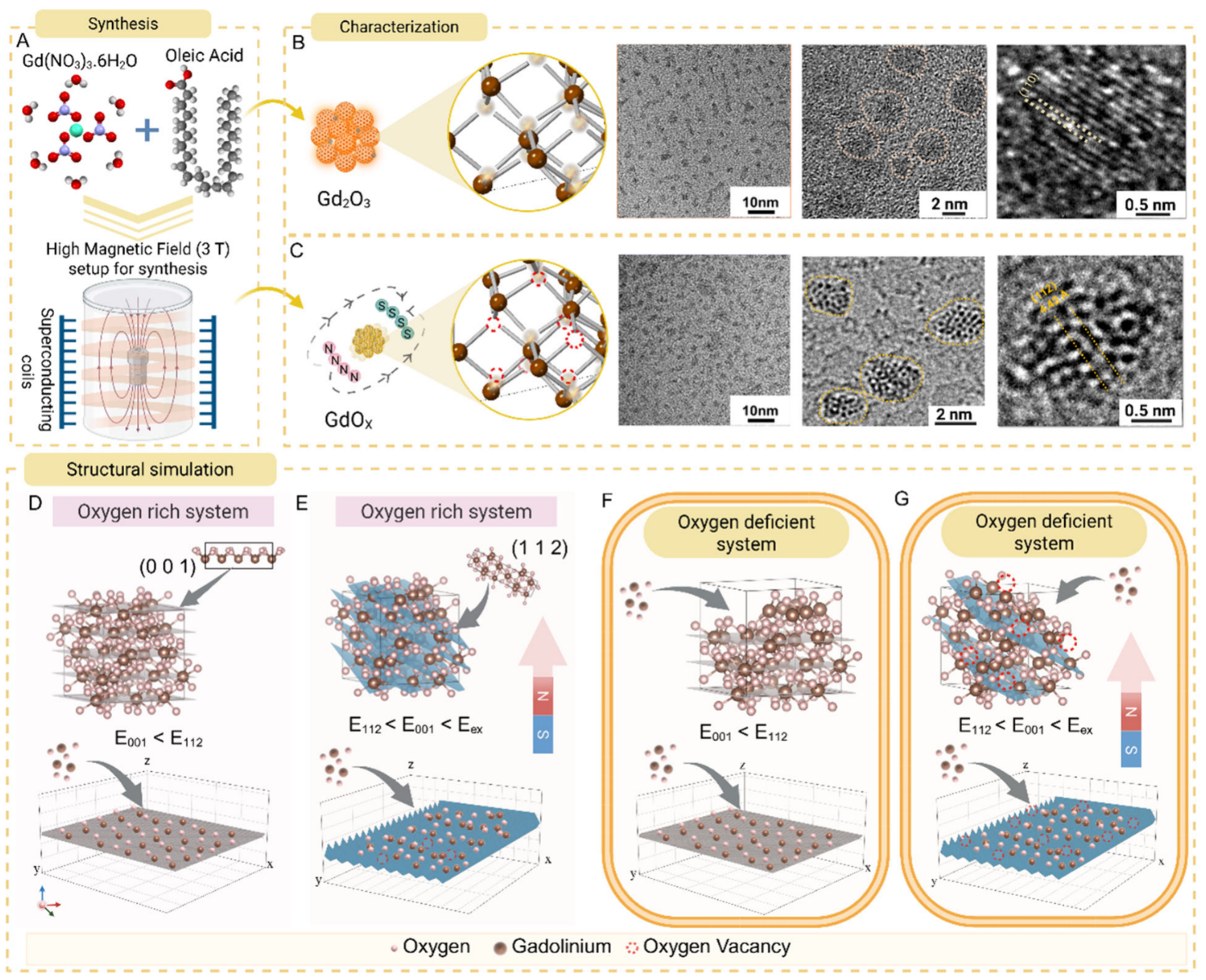
A research team led by Associate Prof. MA Kun at the Hefei Institutes of Physical Science, Chinese Academy of Sciences, has developed a magnetic-field-assisted method to produce ultrasmall gadolinium oxide (GdOx) nanoparticles with abundant oxygen vacancies, enhancing their performance as T1-weighted magnetic resonance imaging (MRI) contrast agents.

A research team led by Prof. WU Zhengyan and Prof. ZHANG Jia at the Hefei Institutes of Physical Science, Chinese Academy of Sciences, has developed a nanocarrier that helps protect iron from oxidation and keep it on plant leaves after rainfall.