




The incidence of ovarian cancer ranks third among gynecological tumors. Ovarian cancer is currently treated with traditional chemotherapeutics, including platinum drugs and paclitaxel, which are not very efficient, and the anti-tumor drug sensitivity prediction can effectively improve the quality of life or life cycle of patients. Currently a variety of methods based on genetic genes, in vitro drug screening, and PDX models have been applied to predict the susceptibility of anti-tumor drugs
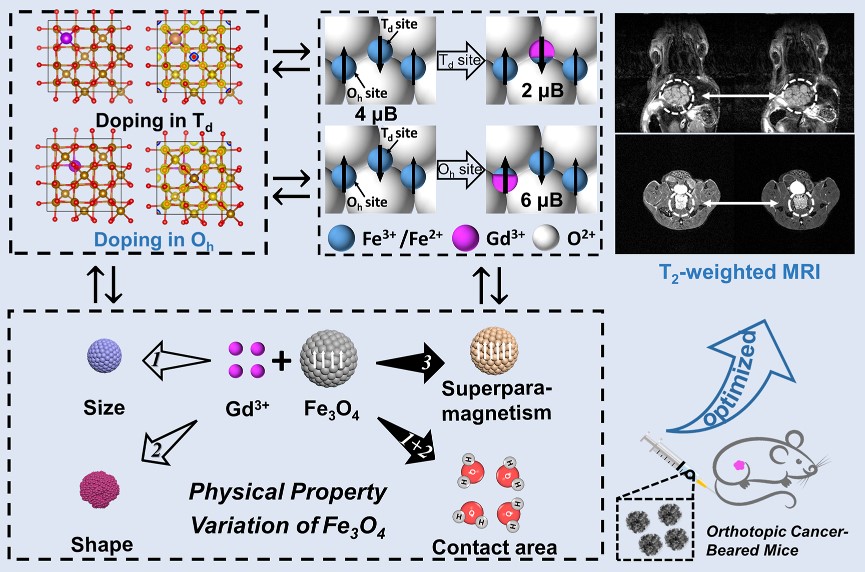
Multi-domain magnetic iron oxide nanoclusters (MMIONs) as magnetic resonance imaging (MRI) contrast agent is with weak T2 contrast ability. The doping of Gd ions holds potential to solve these problems by reducing ferromagnetism and enhancing transverse relaxivity (r2), but the exact role of doping in modulating the contrast properties remains unknown.

Today is national teachers’ day. No matter where we are in life, a teacher influenced us. HFIPS is also where the Science Island Branch of Graduate School, USTC located. It offers program including Physics, Chemistry, Life Science, Engineering Science, information technology, etc. for graduated students. All the graduates and PhD students will have a lab research work at HFIPS from the second year after a one-year study of general and basic course at USTC. After gaining all the credits ang meeting requirements, the students will earn degree from the USTC.

On sept. 7, researchers saw another Earth observation satellite, Gaofen-5 02, launched in Taiyuan Satellite Launch Center, Shanxi province. It’s a hyperspectral imaging satellite, capable of monitoring air pollution.
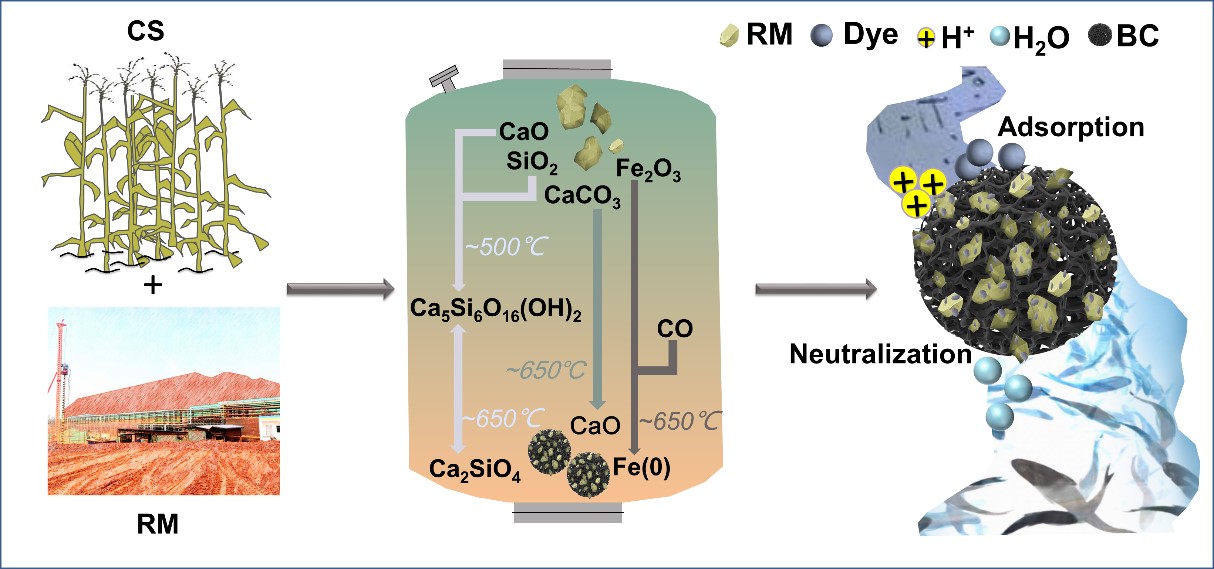
Recently, A team led by Prof. WU Zhengyan from Institute of Intelligent Machines,Hefei Institutes of Physical Science fabricated novel functional biochar composites (FBCs) using two solid waste-red mud and corn straw-and exploited them in acidic dye wastewater treatment. The paper was published in Journal of Cleaner Production.