



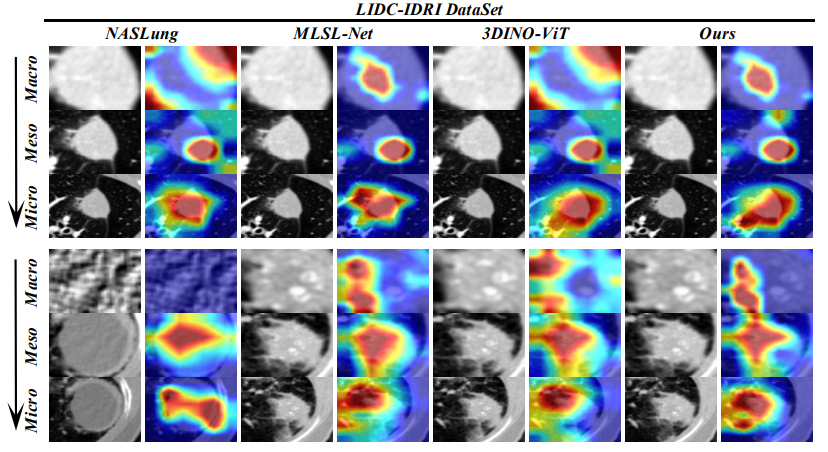
A research team led by Prof. CHU Yannan from the Hefei Institutes of Physical Science of the Chinese Academy of Sciences, together with collaborators in China, the United States and Singapore, has developed an artificial intelligence model to improve the classification of pulmonary nodules on chest CT images.
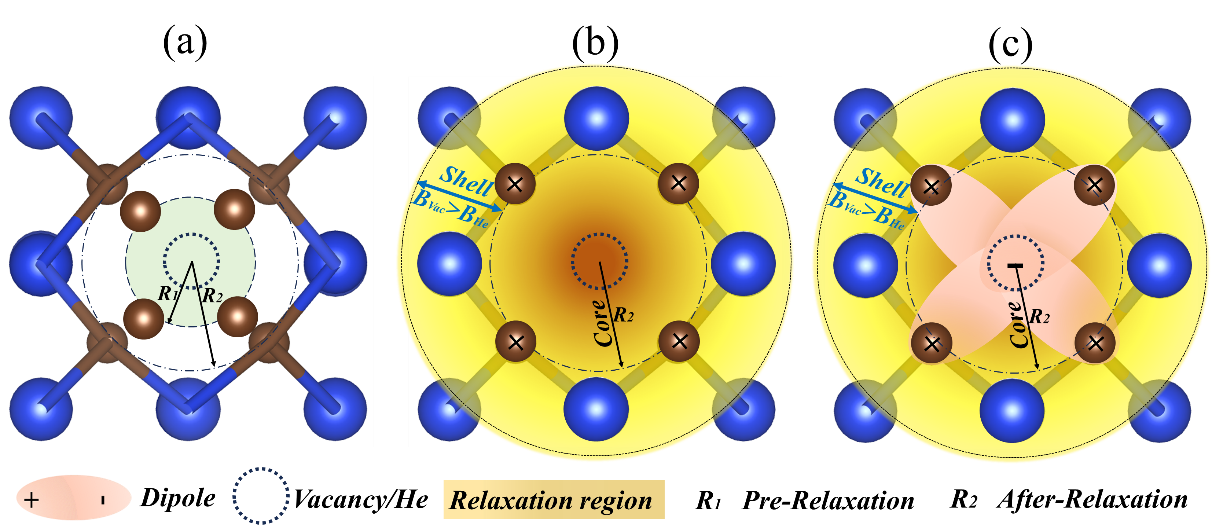
A research team led by Prof. WU Xuebang from the Hefei Institutes of Physical Science of the Chinese Academy of Sciences have discovered that irradiation-induced defects can drive nearby atoms in silicon carbide (SiC) to rearrange and form a local "core-shell" structure at the atomic scale.

A research team led by Prof. YIN Lihua from the Institute of Solid State Physics, Hefei Institutes of Physical Science, Chinese Academy of Sciences, and their collaborators have found that TlGaS₂, a two-dimensional material, shows both in-plane and out-of-plane polarization. The team also identified several weak structural changes that provide clues to its unusual behavior.

A research team led by Prof. WANG Guozhong from the Hefei Institutes of Physical Science of the Chinese Academy of Sciences, has developed a nickel-doped manganese-based Prussian blue analogue/carbon nanotube composite electrode for hybrid capacitive deionization (HCDI).
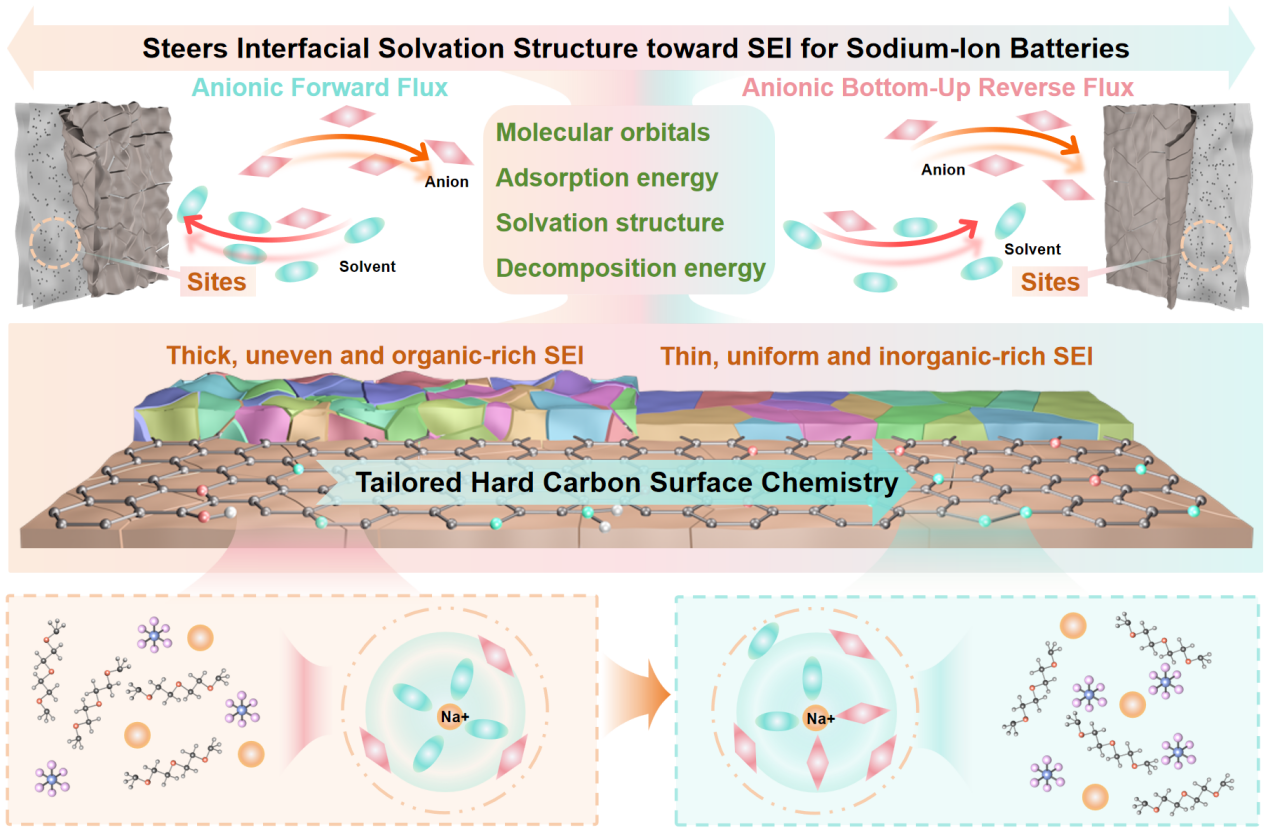
A research team from the Hefei Institutes of Physical Science of the Chinese Academy of Sciences, has developed a surface chemistry strategy to regulate interfacial anion transport in hard carbon anodes, improving the stability of sodium-ion batteries.