



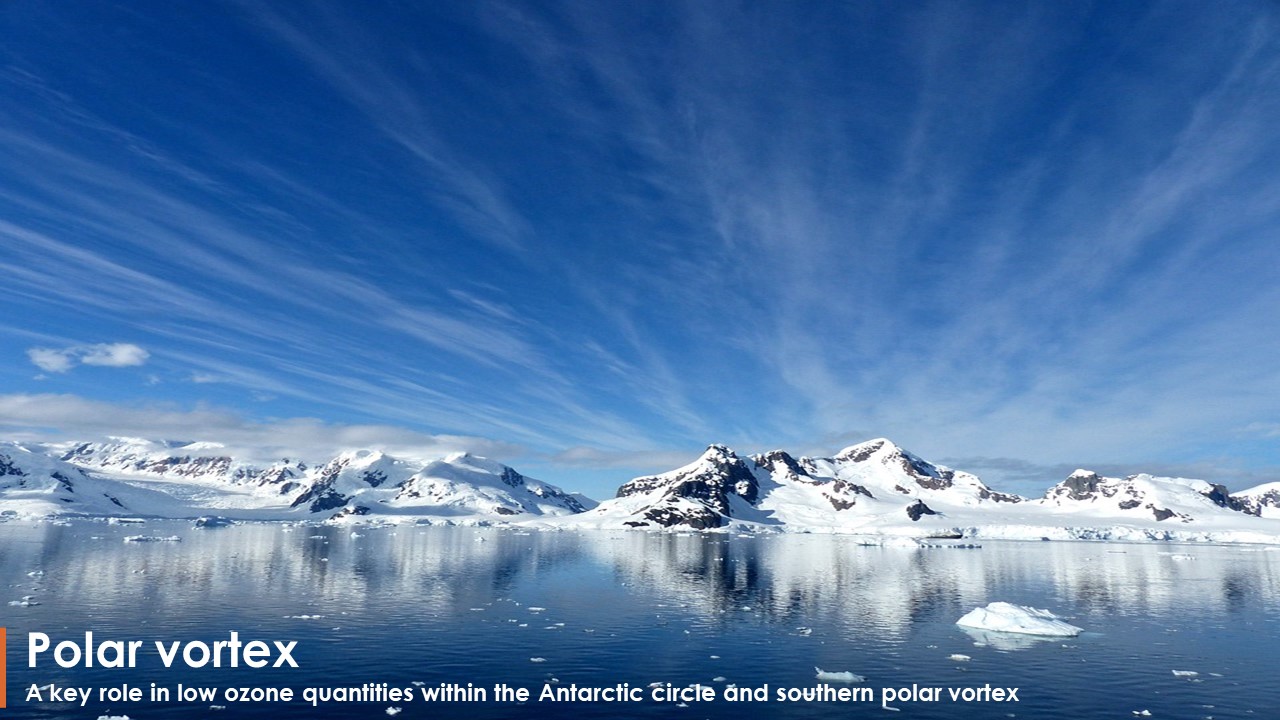
The polar vortex is a large area of upper-atmosphere cyclonic air circulation surrounding both poles. It is bounded by the polar jet stream and its associated cold air is usually confined to the polar regions. Within the Antarctic circle, and southern polar vortex, ozone quantities are the lowest, globally. A research published in Advances in Atmospheric Sciences, led by Dr. Yuhan Luo, corresponding author and Associate Professor at the Hefei Institutes of Physical Science (HFIPS), suggests that the polar vortex plays a key role in Antarctic stratospheric ozone depletion.

The Institutes of Physical Science (HFIPS), also well known by the local community as the Science Island, was selected to National Base for Sci-Tech Popularization as a recognition for its outstanding performance in increasing public scientific engagement and understanding.

Recently, Environmental Disaster Mitigation II 01 Group A and B satellites are listed in the “Top Ten Events in China's Remote Sensing Field in 2020”, for the contribution on improving the capabilities of ecological environment monitoring and disaster prevention and reduction.

Recently, the research group from Institute of Nuclear Energy Safety Technology, Hefei Institutes of Physical Science, made new progress in intelligent fault diagnosis methods for complex systems of nuclear power plants (NPP), which provided theoretical and methodological support for fault diagnosis of the complex systems of the NPP.
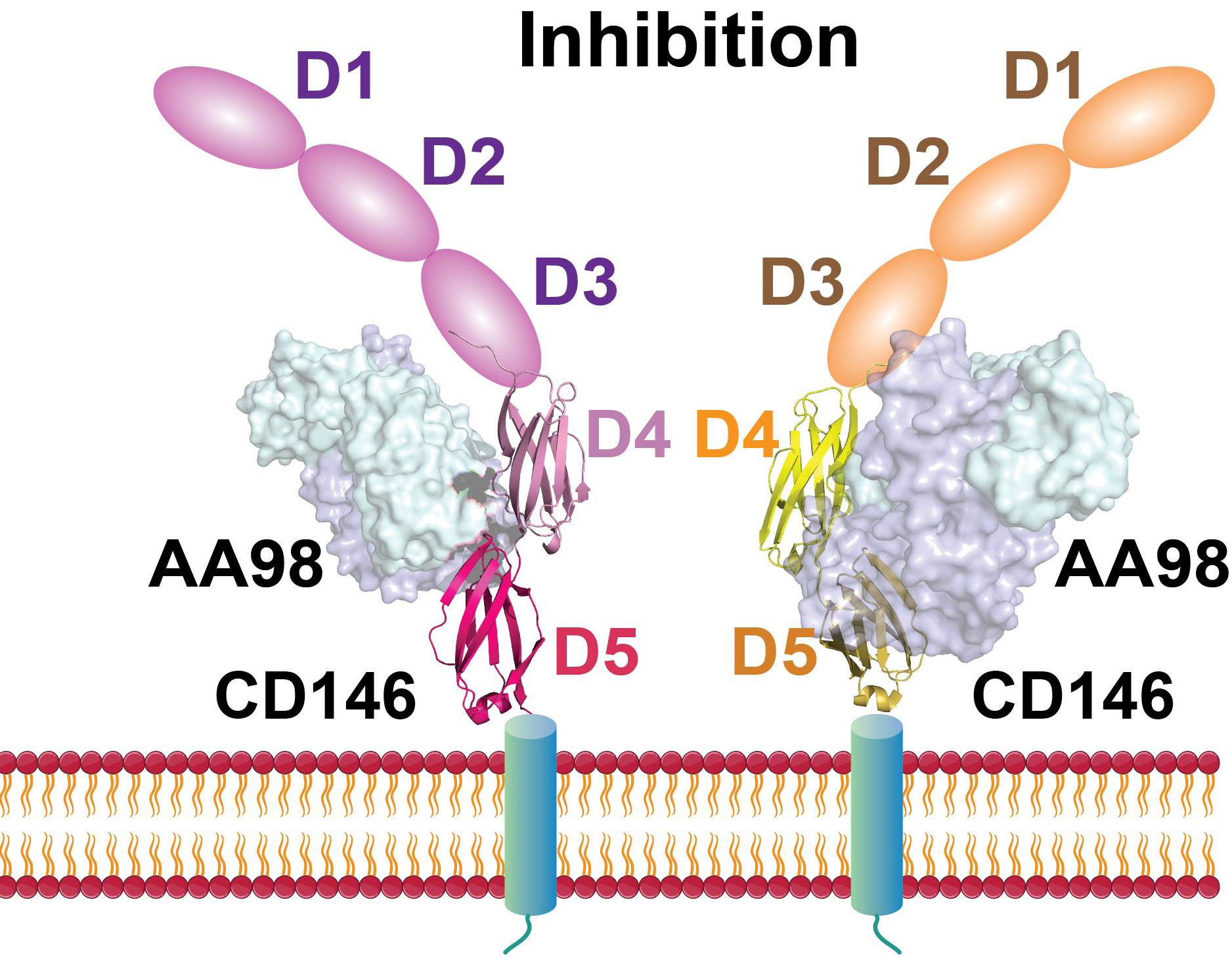
Recently, Prof. XIE, Can from the High Magnetic Field Laboratory of Hefei Institutes of Physical Science, in a collaboration with Prof. YAN Xiyun’s lab, reported the structural basis of how mAb AA98 inhibited CD146-mediated endothelial cells (EC) activation and designed higher affinity monoclonal antibody HA98 for cancer treatment.